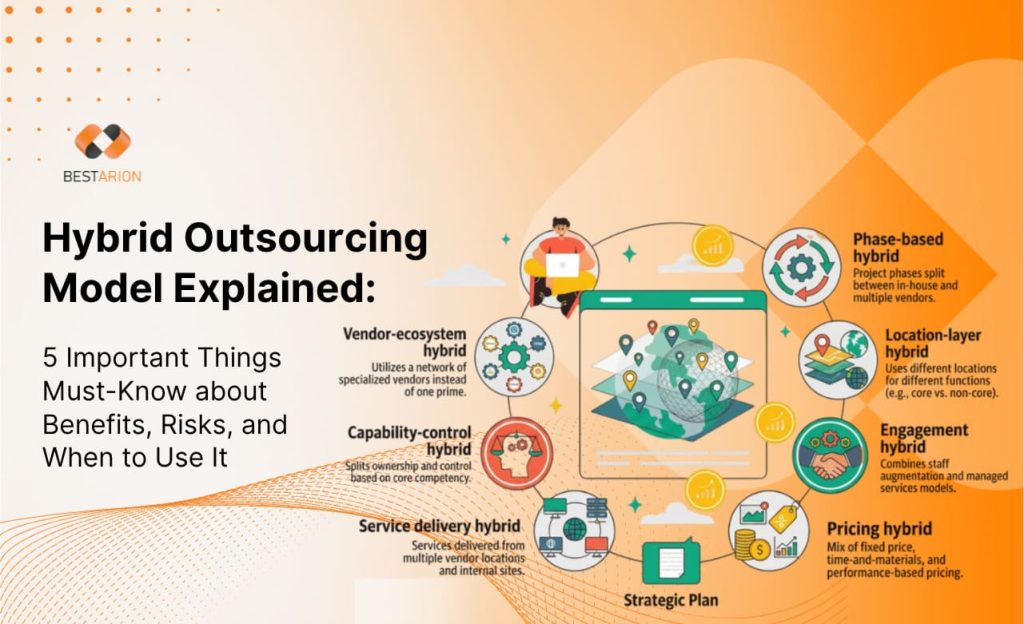
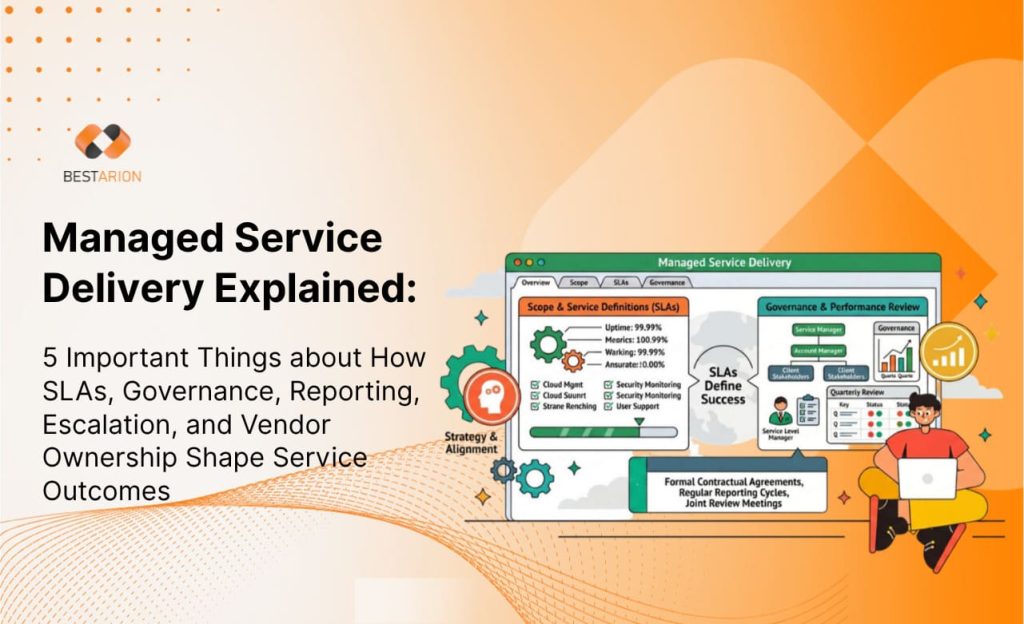
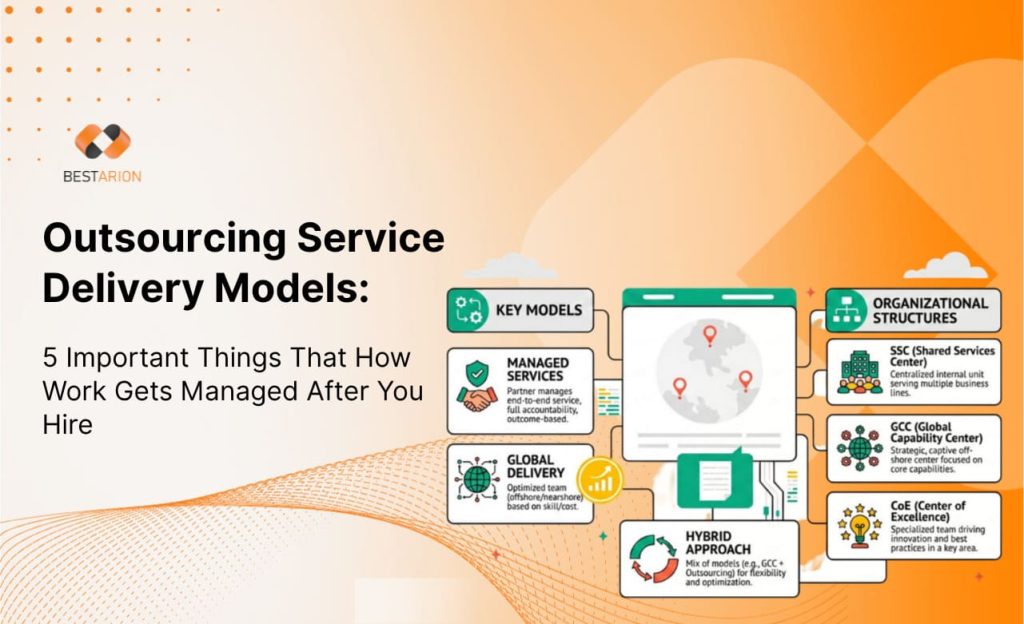
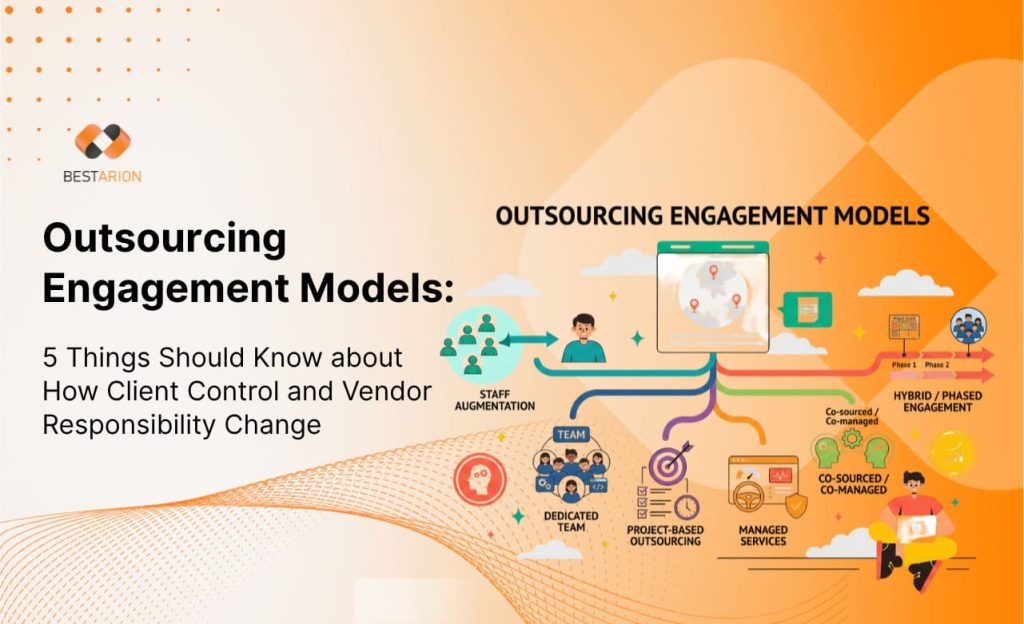
Outsourcing engagement models define how a buyer and provider work together after the contract is signed. They determine who manages the work, who owns delivery, how decisions are made, and how accountability is shared. This matters because outsourcing is not one operating model. A company can outsource a business process to an external provider, but […]
Outsourcing Pricing Models Explained: How Pricing Structure Impacts Scope, Quality, Vendor Incentives, and Delivery Risk
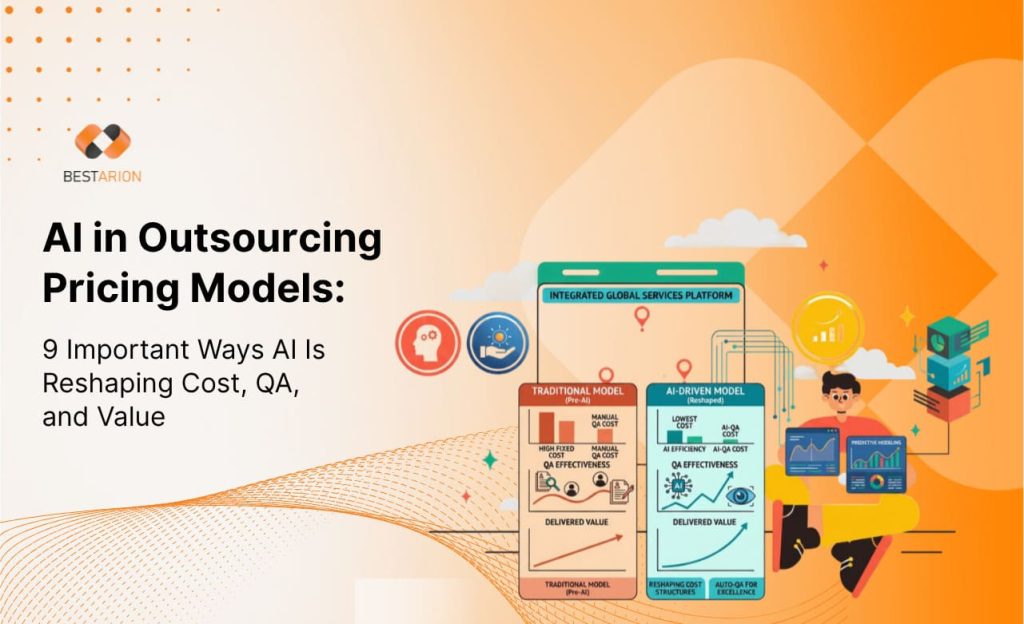
Outsourcing pricing models are not just billing formats. They decide how scope uncertainty, delivery risk, management effort, performance accountability, and cost predictability are shared between the buyer and the provider. A fixed-price contract can look cheaper because the budget is known upfront. Time and materials can look risky because cost moves with actual effort. Outcome-based […]
Offshore vs Nearshore vs Onshore: How Each Outsourcing Location Model Compares by Cost, Risk, Time Zone, and Use Case
Offshore vs nearshore vs onshore outsourcing are not three versions of the same vendor pitch. They are three location models that change cost structure, collaboration rhythm, talent access, legal exposure, and how much governance the buyer must run. IBM defines nearshore outsourcing as working with a provider in a neighboring country, offshore outsourcing as contracting […]
Offshore Outsourcing Explained: What It Is, How It Works, Benefits, Risks, and When to Use It
Offshore outsourcing is the practice of hiring an external provider in another country to deliver work that would otherwise be handled in-house or domestically. The important part is that “offshore” only describes location. It does not, by itself, tell you whether the work is staff augmentation, a managed service, a project engagement, a dedicated team, […]
How to Choose Right Outsourcing Model: Across Location, Pricing, Engagement, and Service Delivery Fit
Outsourcing does not fail only because a vendor is weak. It often fails because the buyer chooses the wrong model for the work. Choosing right outsourcing models is the one that matches your scope clarity, internal management capacity, cost structure, delivery risk, collaboration needs, and accountability expectations. A company can choose offshore delivery, time and […]
Outsourcing Models Explained: Location, Pricing, Engagement, and Service Delivery
Outsourcing models are easy to misunderstand because most buyer conversations mix four separate decisions into one label. A provider can be offshore, priced on time and materials, structured as a dedicated team, and delivered through a co-managed operating rhythm. This guide separates the four lenses so you can compare providers without confusing cost, control, and […]
The Era of Autonomous AI 2026: Multi-Agent Architecture and the Digital Transformation Roadmap for Enterprises
Autonomous AI in 2026 is not the same thing as sprinkling copilots across the enterprise. For most companies, the real shift is from isolated prompt-response tools to agentic workflows that can plan, call tools, hand work to specialists, and operate against business systems with tighter guardrails. That shift matters because enterprises are discovering a hard […]
From “Vibe Coding” to “Agentic Software Engineering”: The Era of Autonomous Systems
Vibe coding captured a real shift in software development: you describe what you want, the model writes code, and you move faster than old hand-written workflows allowed. For prototypes, throwaway tools, and exploratory building, that shift is genuinely powerful. But enterprise software engineering in 2026 is already moving past that beginner framing. Teams are no […]
Outsourcing Location Models Explained: What Offshore, Nearshore, and Onshore Actually Change
Outsourcing location models describe where outsourced work is delivered relative to the buyer. They do not, by themselves, decide pricing, ownership, service accountability, or whether the provider manages outcomes. That distinction matters because “offshore,” “nearshore,” and “onshore” are often used as shortcuts for cost, collaboration, speed, control, and risk. In reality, location is only one […]
Outsourcing vs In-House: Cost, Control, Speed, Risk, and When Each Model Fits Best
Outsourcing vs in-house are not competing because one model is always better. They solve different business problems. Choose in-house when direct control, long-term capability, and business-specific knowledge matter most. Choose outsourcing when speed, flexibility, or specialist expertise matters more than building permanent internal capacity. This guide compares outsourcing and in-house across the criteria that matter […]