
States With No Income Tax in 2026: 8 Tax-Free States and 9 That Don’t Tax Wage Income
If you are looking for states with no income tax, the answer depends on what kind of income you mean. In 2026, eight states levy no individual income tax at all: Alaska, Florida, Nevada, New Hampshire, South Dakota, Tennessee, Texas, and Wyoming. If you are specifically asking which states do not tax wage or salary income, Washington also belongs in the conversation, although it taxes certain capital gains.
That distinction matters because many pages still use older definitions or outdated state rules. New Hampshire should no longer be described as a state that taxes dividends and interest while exempting wages, and Washington should not be treated as a fully tax-free state for individuals. If your goal is to make a relocation, retirement, or tax-planning decision, you should compare not only income tax, but also the broader tax mix, housing, insurance, and cost-of-living trade-offs.
Key Takeaways:
- In 2026, eight states levy no individual income tax at all: Alaska, Florida, Nevada, New Hampshire, South Dakota, Tennessee, Texas, and Wyoming.
- Washington is often discussed alongside no-income-tax states because it does not tax wage or salary income, but it does tax certain capital gains and should be treated as a special case.
- Living in a state with no income tax does not automatically mean a lower overall tax burden. States still rely on other taxes and fees, such as sales taxes, property taxes, and business-related taxes.
- The best no-income-tax state depends on your profile: retiree, high earner, homeowner, remote worker, or someone optimizing for total cost rather than a 0% headline.
- This article is designed to help you move from reference data to decision support, so you can compare fit, not just rankings.
States With No Income Tax in 2026: Quick Answer
If you want the most accurate 2026 answer, there are eight states with no individual income tax at all: Alaska, Florida, Nevada, New Hampshire, South Dakota, Tennessee, Texas, and Wyoming.
Washington is often included in the same conversation because it does not tax wage or salary income. However, it is more accurate to treat Washington as a special case, not a fully tax-free state, because it taxes certain capital gains.
That difference is important because many readers are not just asking for a list. They are trying to answer a more practical question: Which state gives me the best overall outcome for my income, spending, housing, retirement, or business goals?
How to Use This List for an Actual Decision
A no-income-tax list is useful only if you use it as a decision tool, not just as a headline.
Before you compare states, separate three questions:
- Do you want a state with no individual income tax at all?
- Do you mainly care about take-home pay from wages and salary?
- Are you trying to optimize your total tax picture, including sales tax, property tax, capital gains treatment, retirement income, and cost of living?
That is where many broad rankings become misleading. A state can have no individual income tax and still feel expensive because of sales taxes, property taxes, housing, insurance, or local costs. Another state may still levy income tax but create a better overall outcome for your situation.
What “No Income Tax” Actually Means
When people search for states with no income tax, they usually mean one of two things:
- States that levy no individual income tax at all
- States that do not tax wage or salary income
Those are not always the same category.
That is why Washington creates confusion. It does not tax wage income, but it does tax certain capital gains, so it should not be treated the same way as Alaska, Florida, Nevada, New Hampshire, South Dakota, Tennessee, Texas, or Wyoming.
In other words, a good comparison starts by defining the kind of income you actually care about:
- wages and salary
- capital gains
- retirement income
- business income
- overall household cost exposure
Freshness Note for 2026 Readers
This article reflects 2026 tax treatment. For 2026, the most accurate framing is:
- Eight states levy no individual income tax at all
- Washington does not tax wage income, but it is not fully tax-free because certain capital gains are taxed
There is one more reason to be precise: Washington also enacted a separate tax-on-millionaires law in 2026 with a future effective date in 2028. That makes broad “no income tax” claims about Washington even more likely to confuse readers over time.
State Tax Rates in 2026
State individual income tax rates still vary widely across the U.S. in 2026. According to Tax Foundation, top marginal rates span from 2.5% in Arizona and North Dakota to 13.3% in California. For this article, however, the most important distinction is not only which state has the highest or lowest rate. It is whether a state levies a broad individual income tax at all, whether it taxes only certain kinds of income, and how it makes up revenue elsewhere.
Income tax rates by state (2026)
sourcing: State Individual Income Tax Rates and Brackets, 2026, by ,
States With No Income Tax: One-Glance Comparison
Before moving to a no-income-tax state, compare more than the headline income tax rate. A better framework is to ask:
- Does the state truly have no individual income tax at all, or does it only avoid taxing wages?
- What other taxes and cost pressures become more important once income tax is removed?
- Which state fits your profile best: retiree, high earner, homeowner, renter, or business owner?
| State | 2026 status | What makes it attractive | Main trade-off to review | Best fit |
|---|---|---|---|---|
| Alaska | No individual income tax | No statewide sales tax, no individual income tax | Local taxes and location-specific living costs still matter | People who want a simple state-level tax headline and can handle location trade-offs |
| Florida | No individual income tax | No individual income tax, strong retirement appeal | Housing, insurance, and broader affordability still matter | Retirees and households focused on tax-free state retirement income |
| Nevada | No individual income tax | No individual income tax, relatively straightforward comparison for wage earners | Sales-tax exposure still matters | People who care more about income tax than consumption-tax trade-offs |
| New Hampshire | No individual income tax | No individual income tax, no general sales tax | Property-tax trade-offs matter more once income and sales taxes are absent | Wage earners and households comparing tax simplicity against homeownership costs |
| South Dakota | No individual income tax | Simple no-income-tax structure without the broadest “special case” confusion | Total cost still depends on local taxes and lifestyle fit | People looking for a clean, simple no-income-tax option |
| Tennessee | No individual income tax | No individual income tax | High combined sales-tax exposure can offset part of the benefit | People who prioritize take-home pay more than consumption-tax minimization |
| Texas | No individual income tax | No individual income tax, appealing to high earners and founders | Property-tax trade-offs should be reviewed carefully | High earners, business owners, and households that can absorb local property-tax variation |
| Wyoming | No individual income tax | One of the simpler overall no-income-tax stories | Location, housing, and access still determine real-world fit | People looking for broad tax simplicity rather than just a single headline rate |
| Washington | No tax on wages, but not fully tax-free | No tax on wage or salary income | Certain capital gains are taxed, and future law changes matter more here than in the true no-income-tax states | Readers narrowly focused on wage income rather than a fully tax-free individual system |
Best No-Income-Tax States by Profile
Best if you want no income tax and no general sales tax
New Hampshire is the cleanest answer for many readers because it combines no individual income tax with no general sales tax. Alaska also deserves attention because it has no statewide sales tax, although local sales taxes still apply in many municipalities.
Best if you are comparing retirement-friendly tax treatment
Florida is often one of the simplest retirement fits because the state does not levy individual income tax on retirement income. That said, the final decision should still include housing, insurance, and total living costs, not just the tax headline.
Best if you care most about wages and take-home pay
Texas, Florida, Tennessee, and Nevada are often attractive to wage earners because they do not levy individual income tax. Washington may also enter the conversation if you only care about wage income, but it should not be treated as a fully tax-free state.
Best if you want the simplest overall story
Wyoming and South Dakota are often easier for readers to evaluate because the tax story is cleaner and the “special case” problem is smaller than it is in Washington.
The practical takeaway
Do not choose a state just because it says 0% income tax. Choose the state whose full tax mix best matches:
- how you earn money
- how much you spend
- whether you own property
- whether retirement income matters now or soon
- whether you want tax simplicity or a narrower wage-income advantage
States With No Income Tax: A Closer Look
List of States With No Income Tax in 2026
Currently, eight U.S. states levy no individual income tax at all in 2026:
- Alaska
- Florida
- Nevada
- New Hampshire
- South Dakota
- Tennessee
- Texas
- Wyoming
Washington is often discussed in the same conversation because it does not tax wage or salary income. However, Washington is better described as a special case rather than a fully tax-free state, because it taxes certain capital gains.
States With No Income Tax: A Closer Look by State
1. Alaska
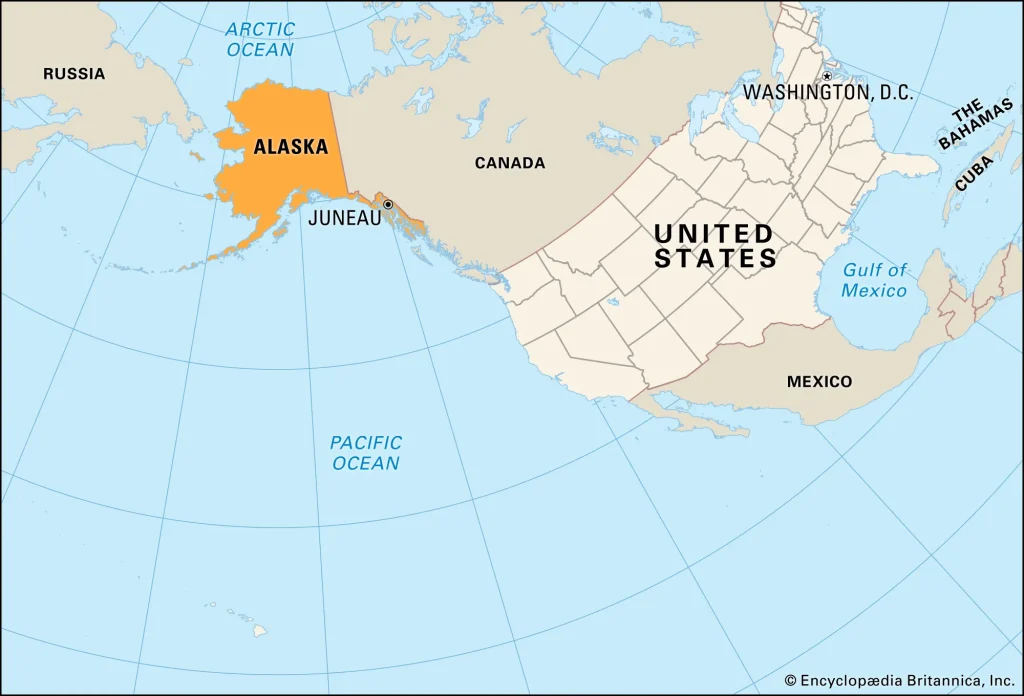
Alaska is one of the clearest tax-headline states in this group because it combines no individual income tax with no statewide sales tax. That makes it attractive to people who want a cleaner state-level tax picture and who care about take-home pay as well as consumption taxes.
The trade-off is that Alaska is not uniformly low-cost in practice. Local sales taxes still apply in some municipalities, and the real decision depends heavily on location, logistics, and lifestyle. Alaska works best for readers who want a strong tax headline and are prepared to compare local realities carefully.
Tax Structure in Alaska
- Income tax: None
- Sales tax: No statewide sales tax; some local jurisdictions levy their own sales taxes
- Decision note: Compare local taxes and local cost of living, not just the state headline
2. Florida
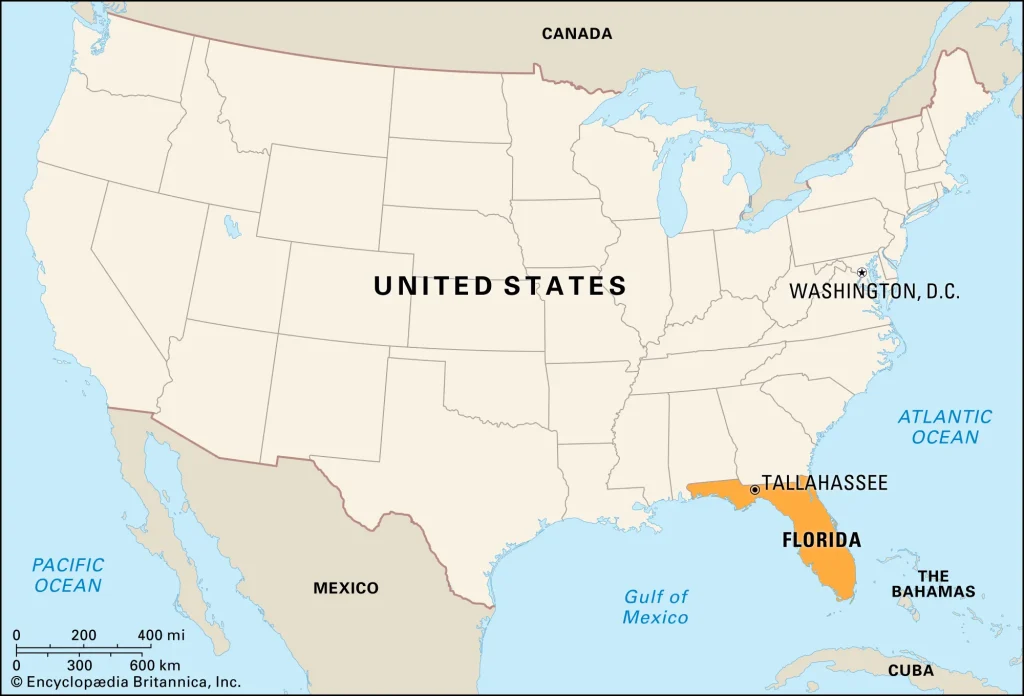
Florida remains one of the eight states with no individual income tax at all in 2026. That makes it especially appealing to readers comparing relocation and retirement options, because state-level tax does not apply to wages, pension income, retirement withdrawals, or Social Security benefits.
The catch is that a 0% income tax headline does not remove other cost pressures. Housing, insurance, sales taxes, and local affordability still matter. Florida is strongest for retirees and households that want tax-free state retirement income, but it should be compared on total cost, not tax headlines alone.
Tax Structure in Florida
- Income tax: None
- Sales tax: 6% state rate, plus local surtaxes in some counties
- Decision note: Compare housing and insurance costs alongside the tax benefit
3. Nevada
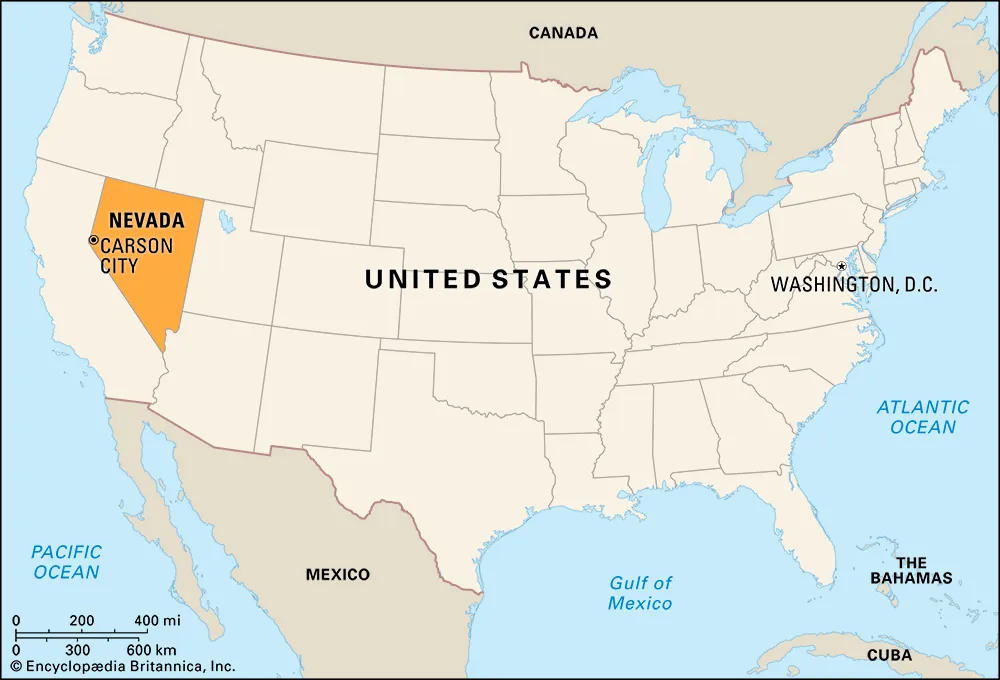
Nevada does not levy an individual income tax in 2026. For many readers, that makes it a straightforward comparison state when the primary goal is protecting take-home pay from state income tax.
The main trade-off is that Nevada still relies on other state and local taxes, especially sales and use taxes. Nevada tends to fit people whose budgets are driven more by income and property considerations than by taxable spending.
Tax Structure in Nevada
- Income tax: None
- Sales tax: 6.85% base state rate, plus local additions
- Decision note: Review sales-tax exposure if your household spends heavily on taxable purchases
4. South Dakota
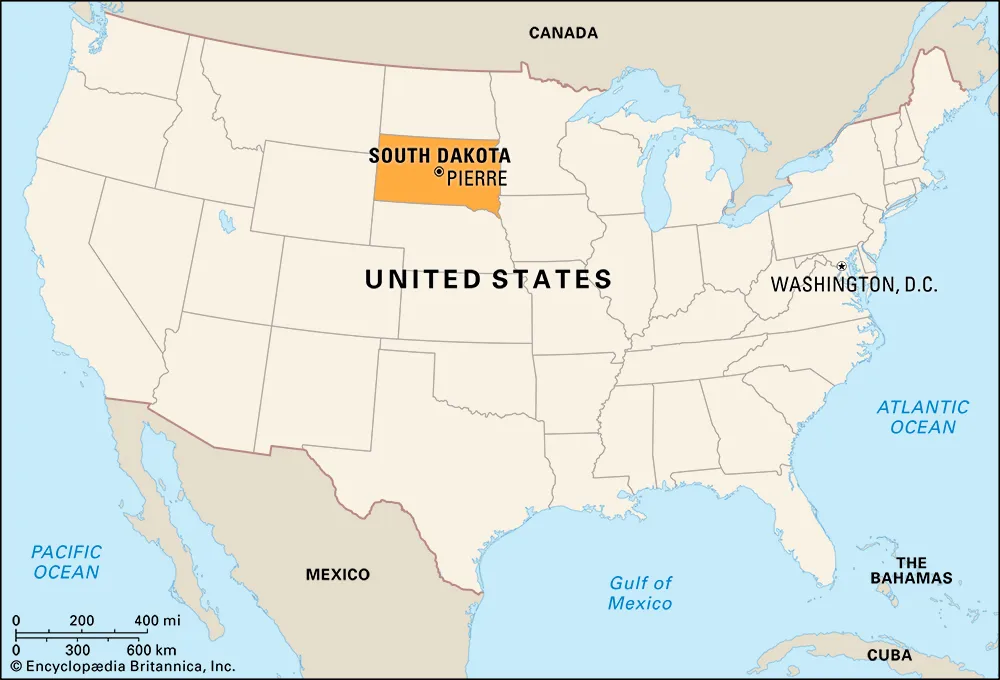
South Dakota remains one of the eight states with no individual income tax at all in 2026. It is one of the cleaner all-around options in this group for readers who want tax simplicity without the confusion that comes with Washington’s special-case status.
That does not make it universally best. It simply means South Dakota often works well for people who want a simple no-income-tax framework and plan to compare local costs carefully before moving.
Tax Structure in South Dakota
- Income tax: None
- Sales tax: 4.2%
- Decision note: A low income-tax burden still needs to be weighed against total living costs
5. Texas
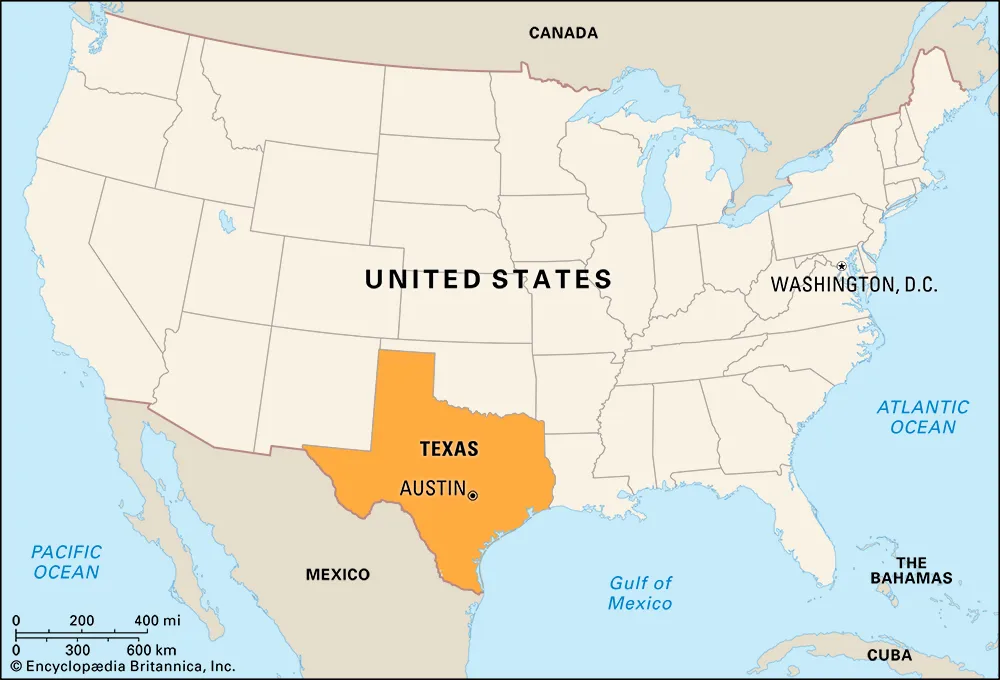
Texas remains one of the eight states with no individual income tax at all in 2026. It is often attractive to high earners, founders, and wage earners because the absence of state individual income tax can create an immediate take-home-pay advantage.
But Texas is also one of the clearest examples of why “no income tax” should never be read as “low tax in every category.” Sales taxes still apply, and property-tax trade-offs can matter a great deal depending on where and how you live. If you plan to own a home, compare the no-income-tax benefit alongside property tax rather than separately from it.
Tax Structure in Texas
- Income tax: None
- Sales tax: 6.25% state rate; up to 8.25% combined with local taxes
- Decision note: Homeowners should treat property-tax review as a core part of the decision
6. Washington
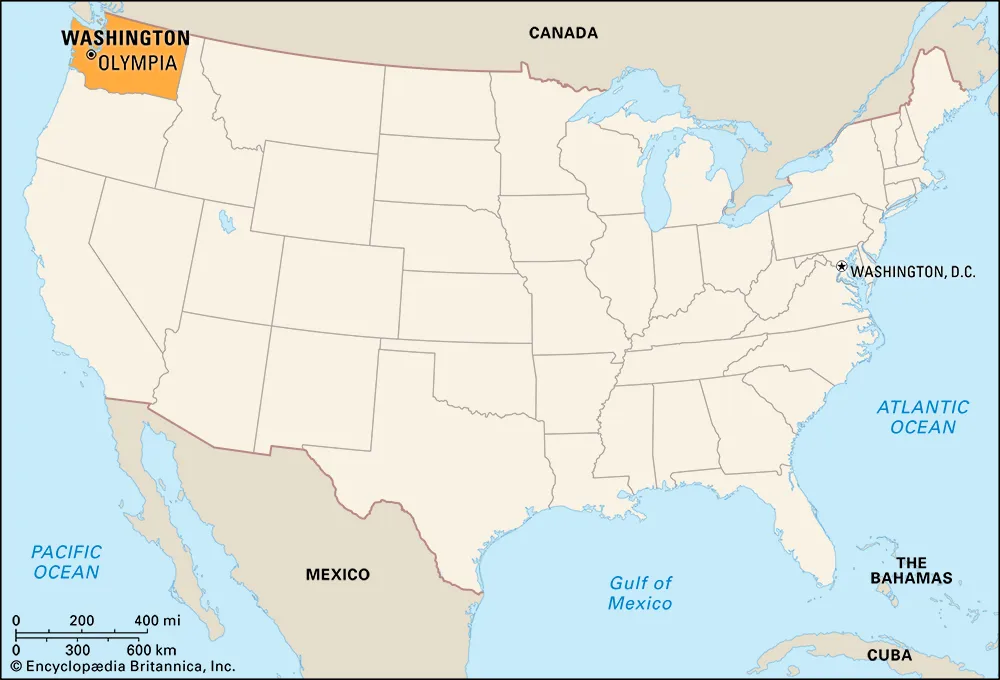
Washington is the key exception in this article. It does not levy a tax on wage or salary income, which is why many articles still group it with no-income-tax states.
However, Washington is not a fully tax-free state for individuals. According to the Washington Department of Revenue, taxable Washington capital gains are taxed at 7% up to $1 million and 9.9% above $1 million. That is why Washington belongs in this article only as a special case, not as a true peer of the eight states with no individual income tax at all.
Tax Structure in Washington
- Income tax: None on wage or salary income; certain capital gains are taxed
- Sales tax: 6.5% state rate, plus local taxes
- Decision note: Compare Washington only if your focus is wage income, not a fully tax-free individual system
7. Wyoming
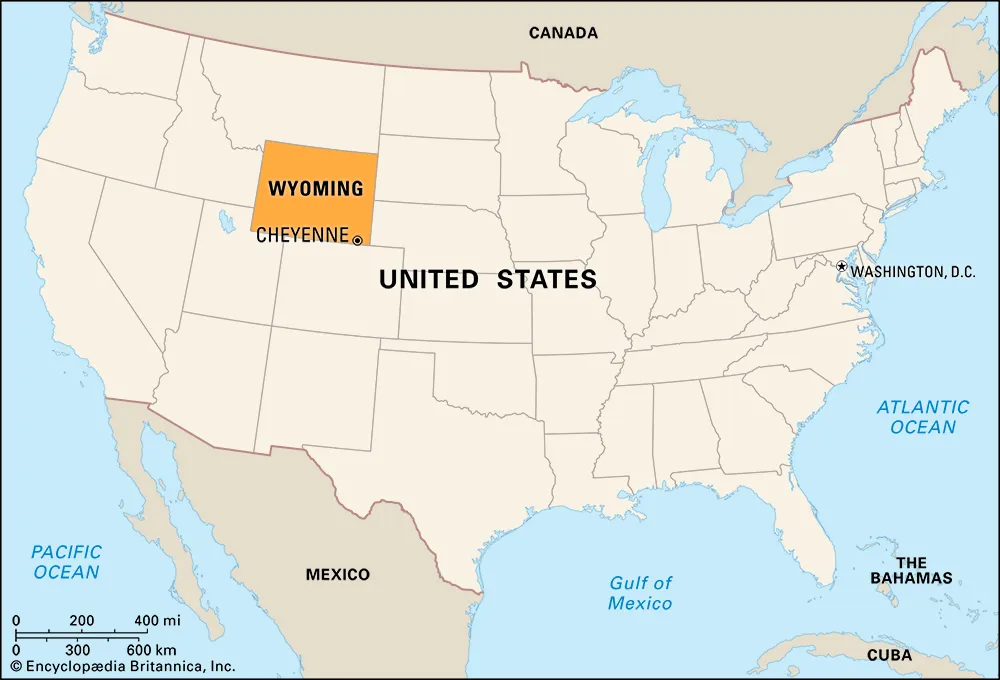
Wyoming remains one of the eight states with no individual income tax at all in 2026. For many readers, it offers one of the simplest overall tax stories in this group.
That simplicity is useful if your goal is not just a 0% headline, but a cleaner tax comparison overall. The main question in Wyoming is often not tax policy first, but whether the state fits your work, access, housing, and lifestyle needs.
Tax Structure in Wyoming
- Income tax: None
- Sales tax: 4% state rate, plus local additions in some jurisdictions
- Decision note: Tax simplicity is strong here, but lifestyle and location fit still decide the outcome
8. Tennessee
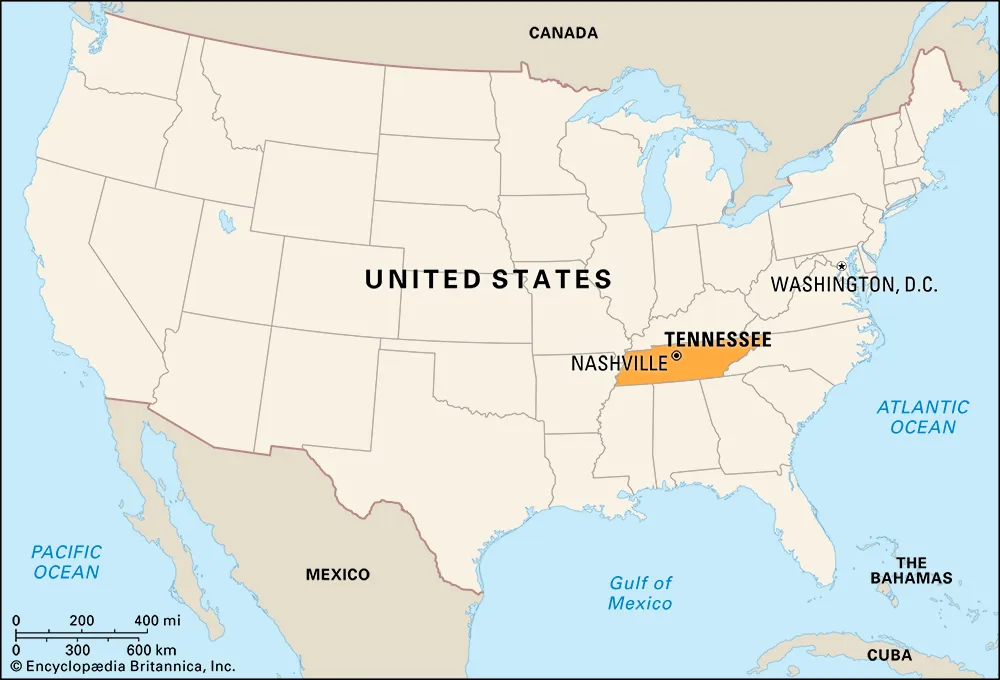
Tennessee remains one of the eight states with no individual income tax at all in 2026. It is a good example of why “no income tax” does not always mean a low overall tax burden.
Tennessee removes income tax from the equation, but it leans heavily on sales tax. That makes it most attractive for people who care a lot about protecting wage income at the state level and less about minimizing consumption taxes.
Tax Structure in Tennessee
- Income tax: None
- Sales tax: 7% state rate, plus local taxes
- Decision note: Review spending patterns carefully if sales-tax exposure matters to your household
9. New Hampshire
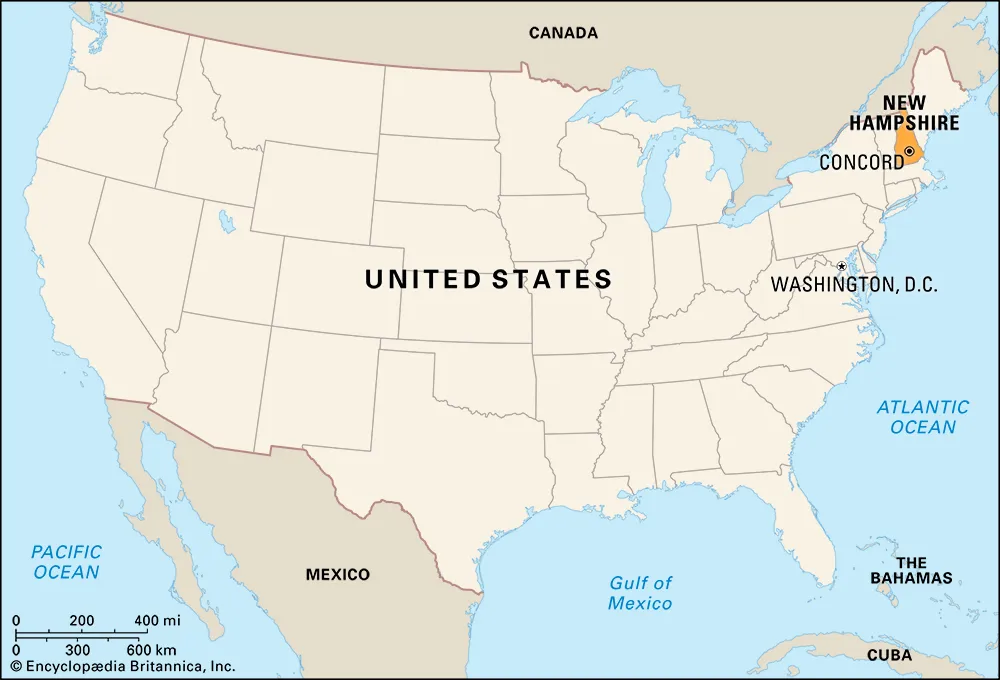
New Hampshire should now be treated as one of the eight states with no individual income tax at all in 2026. The New Hampshire Department of Revenue states that taxpayers are no longer required to pay the Interest and Dividends Tax for tax periods beginning on or after January 1, 2025.
That makes New Hampshire one of the most interesting decision-support states in this article, because it combines no individual income tax with no general sales tax. The trade-off is that property-tax considerations become more important once those two major taxes are absent.
Tax Structure in New Hampshire
- Income tax: None
- Sales tax: None
- Decision note: Review property-tax exposure and local housing costs carefully
Before You Move for Tax Reasons
If you are thinking about relocating to a no-income-tax state, use this checklist before you make the move:
1. Define the income you actually care about
Are you optimizing for wages and salary, retirement income, capital gains, business income, or a broader household tax picture? A state that looks attractive for wages may look less attractive for capital gains or total cost of ownership.
2. Compare the full tax mix, not just income tax
Review sales tax, property tax, local taxes, and any other recurring household cost that can offset a 0% income-tax headline.
3. Run the renter versus homeowner math
A state with no income tax can still become expensive if property taxes are high and you plan to own a home.
4. Compare cost of living and insurance, not just taxes
Housing, homeowners insurance, transportation, and healthcare can erase a tax advantage faster than many people expect.
5. Treat Washington separately
If your comparison includes Washington, make sure you are not treating “no tax on wages” as the same thing as “no individual income tax at all.”
Pros and Cons of Living in a State With No Income Taxes
Here is a more decision-oriented 2026 view of the trade-offs.
Pros
- More take-home pay
If your state does not levy individual income tax, more of your paycheck or taxable income may stay in your hands. - Simpler state tax planning
In true no-individual-income-tax states, the filing burden is usually simpler than in states with multiple brackets and additional individual income tax rules. - Relocation appeal
No-income-tax states often draw attention from workers, retirees, founders, and businesses that want to reduce one layer of tax exposure.
Cons
- Other taxes still matter
States still need revenue, and state-local governments often rely on other taxes such as property taxes, sales taxes, excise taxes, and business-related taxes. - “No income tax” does not always mean “low total tax burden”
A lower individual income tax bill can be offset by higher costs elsewhere, depending on the state. - Special cases can be misleading
Washington is the clearest example in 2026: it does not tax wage income, but it does tax certain capital gains, so not every “no income tax” claim means the same thing.
In short, the smart question is not just whether a state has income tax. It is whether the state’s full tax mix fits your income profile, retirement plan, housing plan, business model, and cost-of-living expectations.
FAQs about States Without Income Tax
1. Which states have no state income tax in 2026?
In 2026, eight states levy no individual income tax at all: Alaska, Florida, Nevada, New Hampshire, South Dakota, Tennessee, Texas, and Wyoming.
Washington is often included in broader conversations because it does not tax wage or salary income, but it does tax certain capital gains. That means the answer is eight if you mean no individual income tax at all, and nine only if you mean no tax on wage income.
2. Why do some articles still say 9 states with no income tax?
Because many articles use broader wording and group Washington with the fully tax-free states. That can be useful only if the conversation is narrowly about wage income. It is not the most accurate framing if you mean a full individual income tax system.
3. Is New Hampshire still a state that taxes dividends and interest?
No. For tax periods beginning on or after January 1, 2025, New Hampshire taxpayers are no longer required to pay the state’s Interest and Dividends Tax. That is why New Hampshire now belongs in the true no-individual-income-tax category for 2026.
4. Does Florida have a state income tax?
No. Florida does not levy a state individual income tax in 2026. It remains one of the eight states with no individual income tax at all.
5. Does no income tax mean lower total taxes?
Not necessarily. States still need revenue, so they may rely more heavily on sales taxes, property taxes, excise taxes, business taxes, or local taxes.
6. Should Washington be treated as a true no-income-tax state?
No. Washington is best treated as a special case: no tax on wages, but not fully tax-free for individuals.
Conclusion: Should You Move to a No-Income-Tax State?
In 2026, the most accurate answer is that eight states levy no individual income tax at all: Alaska, Florida, Nevada, New Hampshire, South Dakota, Tennessee, Texas, and Wyoming. Washington is still an important exception because it does not tax wage income, but it does tax certain capital gains.
For readers comparing relocation options, the best decision does not come from the income-tax headline alone. It comes from looking at the full tax mix, total cost of living, and how each state fits your personal, retirement, or business priorities.
Reference Material
The items below are useful as supporting reference, but they should not drive the main decision-making flow of the article.
Historical State Individual Income Tax Rates
